Tips for Properly Filling Construction Skip Bins in Liverpool
Table Of Contents
Avoiding Contamination of Waste
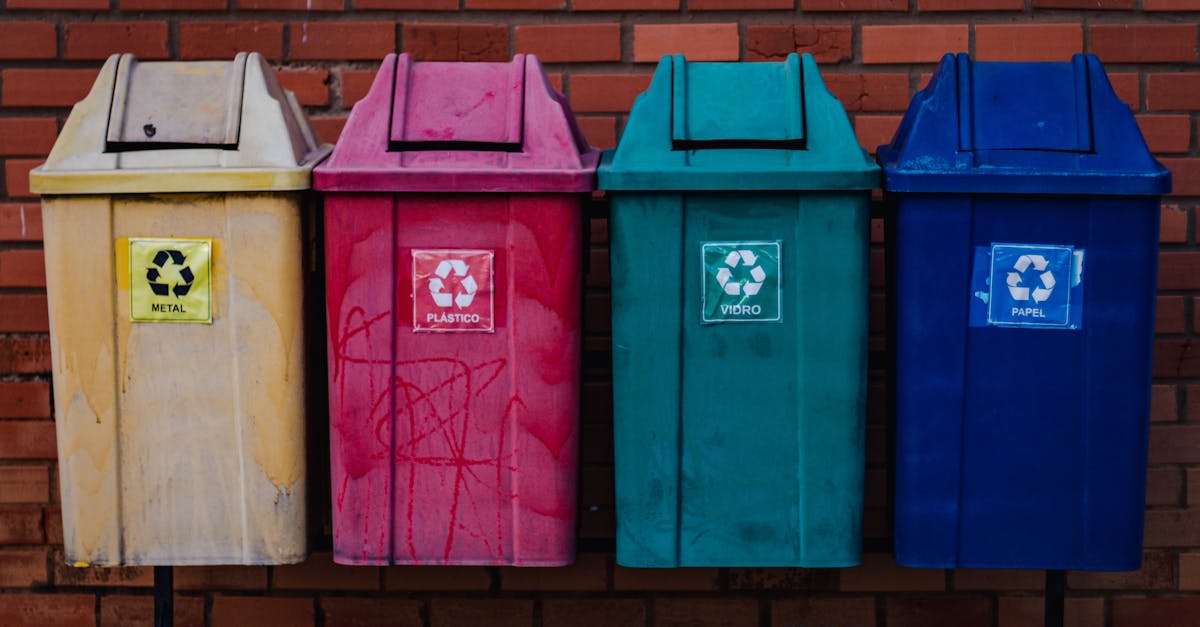
Proper waste segregation is essential for reducing contamination in skip bins. By ensuring that recyclables and general waste are separated, individuals can help maintain the integrity of the materials sent for recycling. Mixing different types of waste can lead to entire loads being deemed non-recyclable, ultimately contributing to more landfill waste. Consumers should be diligent about checking local regulations regarding waste disposal to ensure compliance and promote responsible waste handling.
It is crucial to familiarise oneself with the types of materials acceptable for disposal in skip bins. Hazardous substances, such as chemicals and batteries, should never be included, as they can pose significant risks not just to the environment but also to public health. Carefully reviewing and adhering to guidelines will aid in keeping the waste stream clean. This practice not only optimises recycling efforts but also encourages a culture of responsible waste management within the community.
What Not to Place in Skip Bins
Certain materials cannot be placed in construction skip bins due to safety and environmental concerns. Hazardous waste such as asbestos, chemicals, paint, and any medical waste must be disposed of properly and in accordance with local regulations. These items can pose serious health risks to waste handlers and the general public, making their exclusion vital for safety.
Additionally, items like electronic waste, car batteries, and tires are often prohibited. These materials require specialised disposal methods to prevent environmental contamination. It is essential to check with local waste management guidelines before loading the skip bin to ensure compliance and avoid potential fines.
Understanding Weight Limits
Each skip bin has a designated weight limit that reflects its capacity and structural integrity. Exceeding this limit can lead to severe consequences, not only for the safety of the collection process but also for compliance with local regulations. Overloaded bins may pose risks during transport, increasing the likelihood of accidents on the road and potential hazards for bin collection personnel. Understanding these limits ensures that waste disposal remains safe and efficient.
It is crucial to be aware that weight limits vary depending on the type of waste being disposed of. For instance, heavy construction materials like concrete or bricks will contribute more significantly to the total weight compared to lighter materials such as cardboard or garden waste. When filling a skip bin, always consider the weight distribution and try to utilise space effectively without compromising safety. Such awareness can save you from unexpected fees and additional complications during waste removal.
Importance of Complying with Regulations
Complying with regulations when filling construction skip bins is critical for promoting safety and environmental protection. Each local council in Liverpool has specific guidelines regarding waste disposal. Understanding these rules helps ensure that no prohibited materials are placed in the bins. This not only reduces the risk of fines but also contributes to the proper management of resources within the community.
Moreover, adhering to these guidelines aids in the efficient processing of collected waste. Authorities have established regulations to facilitate recycling and waste minimisation. When waste is sorted properly and disposed of according to established standards, it increases the ability to recycle materials. This practice is beneficial for the environment and supports sustainable waste management initiatives.
Scheduling Regular Bin Collection
Regular collection of skip bins optimises waste management efforts. Scheduling pick-ups ensures that bins do not overflow, which can lead to littering and other safety hazards. When bins reach capacity, not only does it become difficult to add more waste, but it can also attract pests. Establishing a routine collection frequency helps maintain a clean and safe environment for both the construction site and the surrounding community.
Timely waste removal is essential for efficient project management. Delays in collection can disrupt productivity and lead to costly downtime. A reliable collection schedule aids in keeping the workspace organised and compliant with local regulations. By planning ahead and coordinating pick-up times, businesses can ensure that waste disposal needs are met without unnecessary interruptions.
Benefits of Timely Waste Removal
Timely waste removal is crucial for maintaining a clean and safe environment. When skip bins are cleared regularly, it minimises the risk of waste overflow, which can attract pests and create unpleasant odours. A cluttered site not only poses health risks but can also hinder productivity. Efficient waste management leads to a more organised work area that allows for smoother operations.
Regular collection schedules help in adhering to project timelines. Delays in removing waste can lead to accumulation that impedes ongoing work and causes unnecessary interruptions. Keeping on top of waste disposal ensures compliance with local regulations, which can prevent fines and legal complications. Moreover, a consistent removal process reflects professionalism and can enhance the overall image of the construction site.
FAQS
What types of waste should not be placed in construction skip bins?
You should avoid placing hazardous materials, including chemicals, asbestos, batteries, and electronic waste, in construction skip bins. Additionally, food waste and liquids are also prohibited as they can cause contamination.
How can I avoid contaminating the waste in my skip bin?
To avoid contamination, ensure that only acceptable materials are placed in the skip bin. Keep recyclables separate, and follow guidelines provided by your skip bin service regarding what can and cannot be disposed of.
What are the weight limits for construction skip bins in Liverpool?
Weight limits can vary depending on the size of the skip bin and the regulations set by your waste management provider. Typically, a standard construction skip can hold between 1 to 12 tonnes. Always check with your provider for specific weight limits.
Why is it important to comply with skip bin regulations?
Complying with regulations is crucial to avoid fines and penalties, ensure safe waste disposal, and protect the environment. Non-compliance can also lead to additional costs if the bin is overloaded or contains prohibited materials.
What are the benefits of scheduling regular bin collection?
Scheduling regular bin collection ensures timely waste removal, reduces clutter on your site, and helps maintain a safe working environment. It also prevents delays in your construction project due to waste accumulation.
Related Links
How to Ensure Efficient Waste Management with Construction Skip BinsComparing Construction Skip Bin Sizes for Your Liverpool Projects
Frequently Asked Questions about Construction Skip Bin Hire in Liverpool
The Role of Construction Skip Bins in Sustainable Building Practices
Navigating Local Regulations for Construction Skip Bin Hire
Affordable Construction Skip Bin Hire in Liverpool NSW
Essential Considerations for Construction Skip Bin Hire in Liverpool
The Benefits of Using a Construction Skip Bin in Liverpool
Choosing the Right Construction Skip Bin for Your Project in Liverpool