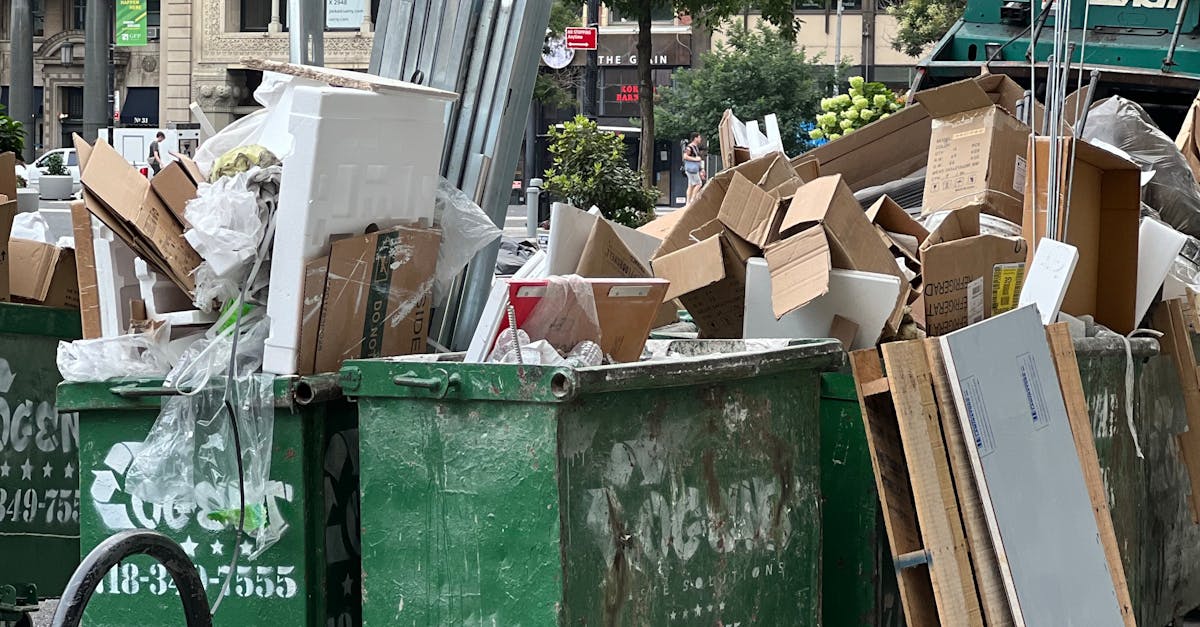
Cost-effective Builders Skip Bin Solutions for Large Scale Jobs
Table Of Contents
Comparing Local Providers
In the search for cost-effective builders skip bin solutions, it is crucial to evaluate multiple local providers. Each service can offer varying pricing structures, bin sizes, and additional features tailored to specific project needs. Some companies might specialise in construction waste, while others cater to general rubbish removal. Comparing these options ensures that builders can select a provider that aligns with their requirements, maximising value for money.
Customer reviews and testimonials play a significant role in assessing local providers. Positive feedback can indicate reliable service and timely deliveries. Rating platforms and social media offer insights into customer satisfaction levels. It is also beneficial to inquire about the company’s experience in handling large scale jobs, as this can greatly influence operational efficiency and support during the project.
Key Considerations When Selecting a Provider
When choosing a skip bin provider, it's essential to evaluate their reputation in the industry. Look for companies with positive reviews and testimonials from previous clients. A provider that has been in the market for several years often indicates reliability and satisfaction among its clients. Additionally, consider their range of services. Some companies offer various sizes of bins catering to different project scales, while others may provide specialised bins for specific types of waste.
Cost should also be a significant factor in your decision-making process. Compare quotes from multiple providers to ensure you receive a fair price without compromising on service quality. Be wary of hidden fees that might inflate the final cost. Transparency is critical; a reputable provider will offer clear terms and conditions without unexpected add-ons. Lastly, check for compliance with local regulations, as dealing with a licensed provider ensures adherence to waste disposal laws.
Efficient Waste Management Strategies
Effective waste management strategies are crucial for large-scale jobs, ensuring both efficiency and cost savings. Planning the placement of skip bins can significantly impact workflow on a construction site. Positioning bins at strategic points allows workers to dispose of waste quickly, reducing the likelihood of clutter. Designating specific bins for different types of waste can streamline the sorting process, making recycling more efficient and maximising the use of available resources.
Regular monitoring of skip bins helps in maintaining efficiency during the project. By tracking fill levels, project managers can schedule timely pickups and prevent overflow. Implementing a clear communication plan among the team regarding waste disposal practices fosters accountability. Training staff on proper waste segregation practices not only aligns with environmental considerations but also reduces overall disposal costs by ensuring recyclable materials are not mixed with general waste.
Optimising Use of Skip Bins Onsite
Strategically placing skip bins onsite can significantly enhance efficiency during large scale projects. Positioning them close to work areas minimises the distance workers must carry waste, thereby saving time and reducing labour costs. It is crucial to assess the flow of materials and waste to determine optimal placement. Identifying high-waste zones, where debris accumulates quickly, allows for more effective management of rubbish and reduces the likelihood of overflow.
Regularly monitoring the fill levels of skip bins ensures timely collection before they reach capacity. Scheduling pickups at predefined intervals can help maintain a clean work environment and prevent daily disruptions. Using separate bins for different types of waste promotes recycling and proper disposal, making the process more environmentally friendly. Engaging the team in understanding skip bin logistics fosters accountability and encourages more conscientious waste management practices.
Regulations and Compliance for Waste Disposal
Navigating the complexities of waste disposal regulations is crucial for builders undertaking large-scale jobs. Compliance with local laws ensures that projects run smoothly and avoids potential fines. Different regions possess varying regulations regarding waste types, size of skip bins, and disposal methods. Builders must stay informed about changes in legislation that may impact their operations. This includes understanding the appropriate handling of hazardous materials and ensuring that all waste is processed in designated facilities.
It is also essential to engage with local authorities to gain a clear understanding of necessary permits and any restrictions in place. Developers and contractors should not underestimate the importance of adhering to these guidelines. A thorough grasp of compliance not only facilitates efficient waste management but also contributes to eco-friendly practices. This proactive approach can enhance a company's reputation while promoting sustainable development within the community.
Understanding Local Laws and Guidelines
Navigating the complex landscape of waste management regulations is crucial for any project involving large volumes of waste disposal. Each local council has specific laws that govern the use of skip bins, including placement, permits, and disposal methods. It is essential to understand these laws to avoid penalties and ensure compliance. Familiarity with the guidelines can help streamline the process of waste removal, ensuring that your project runs smoothly without legal hindrances.
Additionally, private waste management companies often have their own protocols in place, all of which should align with local regulations. Engaging with a provider knowledgeable about local laws can alleviate potential issues and help you adhere to best practices for waste disposal. This partnership not only supports compliance but can also enhance the efficiency of waste management strategies, ultimately benefiting both project timelines and budgets.
FAQS
What are skip bins and how are they used in large scale construction jobs?
Skip bins are large containers that are used for the temporary storage of waste and debris on construction sites. They facilitate efficient waste disposal by allowing builders to collect and transport rubbish, making it easier to maintain a clean and safe working environment.
How do I choose the right skip bin provider for my project?
When choosing a skip bin provider, consider factors such as pricing, bin sizes available, the provider's reputation, customer service, and their compliance with local waste disposal regulations. Comparing local providers can also help identify the best options.
What are some efficient waste management strategies when using skip bins?
Efficient waste management strategies include optimising the use of skip bins onsite by placing them strategically for easy access, sorting waste into recyclables and non-recyclables, and scheduling regular pickups to prevent overflow and maintain site cleanliness.
Are there specific regulations I need to be aware of when hiring skip bins?
Yes, regulations may vary by location but typically include guidelines for what can be disposed of in skip bins, placement restrictions, and permits required for placement on public land. It's essential to understand local laws and guidelines to ensure compliance.
Can skip bins be used for all types of waste?
Skip bins can accommodate a wide range of waste materials, but there are restrictions on hazardous materials, such as chemicals and asbestos. Always check with your skip bin provider regarding what types of waste are acceptable.
Related Links
Benefits of Using Builders Skip Bins for Efficient Debris ManagementChoosing the Right Size Builders Skip Bin for Your Renovation
Comparing Different Builders Skip Bin Hire Options in Liverpool
Builders Skip Bins: A Convenient Choice for Ongoing Renovation Work
Factors to Consider When Hiring Builders Skip Bins in Liverpool
The Environmental Impact of Using Builders Skip Bins for Waste Disposal
How Builders Skip Bins Can Simplify Your Construction Site Cleanup
Essential Tips for Maximising Space in Builders Skip Bins
Understanding the Advantages of Builders Skip Bins for Construction Projects